
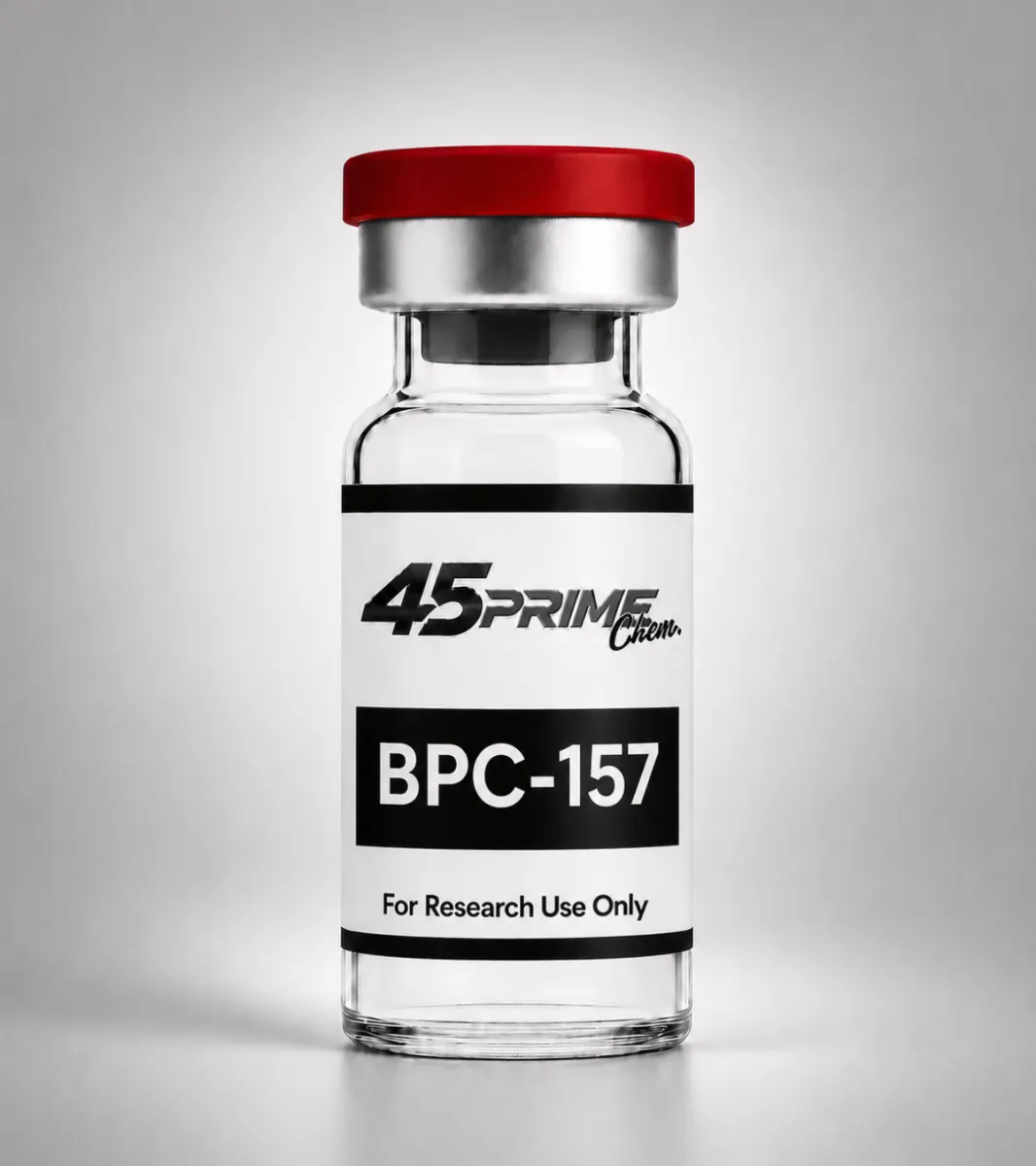
The most well-known peptide for its research in tissue recovery and repair.
If there is a peptide that has gained popularity for its potential role in body recovery, it is BPC-157. For years, it has been the subject of research due to its relationship with healing and the repair of different tissues.
What is it?
BPC-157 stands for Body Protection Compound-157.
It is a synthetic peptide derived from a protein naturally present in human gastric juice and has been extensively studied for its potential involvement in the body's repair processes.
In short:
• It is being researched for its possible ability to enhance the body's natural recovery mechanisms.
How does it work?
When an injury occurs, the body initiates a repair process.
BPC-157 is studied because it could help make that process more efficient by promoting communication between the cells involved in tissue recovery.
There are still aspects of its mechanism of action that continue to be investigated.
What does science investigate?
• Tendon recovery.
• Muscle recovery.
• Ligament repair.
• Joint injuries.
• Tissue healing.
• Gastrointestinal health.
What results have studies observed?
Most of the evidence comes from preclinical studies, where trends such as the following have been observed:
• Faster recovery of injured tendons and ligaments.
• Better healing of certain tissues.
• Support for muscle repair.
• Protection of the gastrointestinal mucosa in experimental models.
More clinical studies in humans are needed to confirm these findings and establish their safety and efficacy in various conditions.
What makes BPC-157 different?
Unlike many peptides that act on hormones, BPC-157 is primarily researched for its relationship with tissue repair processes.
That is why it is often associated with studies on sports injuries and recovery.
What does it NOT do?
• It is not a pain reliever.
• It is not a conventional anti-inflammatory.
• It does not replace proper rehabilitation.
• It does not guarantee complete recovery.
Why is it so popular?
Because it is one of the most well-known peptides when it comes to recovery.
Its popularity mainly comes from the results observed in animal studies and the growing research on its possible mechanisms of action.
Interesting fact
• The name Body Protection Compound comes from the fact that this peptide was identified from proteins present in the digestive system, where researchers observed potential protective effects on different tissues in experimental models.
Is this peptide for you?
If you are interested in learning about:
• Injury recovery.
• Tendons and ligaments.
• Muscle recovery.
• Healing.
• Gastrointestinal health.
BPC-157 is one of the first peptides you should know about.
Did you know?
Unlike many peptides focused on metabolism or hormones, BPC-157 has attracted attention for its potential involvement in tissue recovery. Although much of the evidence comes from animal studies and more clinical trials in humans are still needed, it remains one of the most researched compounds when it comes to regeneration and recovery.
Informative note: The information presented is for educational purposes only. BPC-157 continues to be the subject of research and is not approved as a medication for most of the uses currently being studied.
Product intended for research purposes only (For Research Use Only). The information is educational and does not constitute medical advice, diagnosis, or treatment.
If there is a peptide that has gained popularity for its potential role in body recovery, it is BPC-157. For years, it has been the subject of research due to its relationship with healing and the repair of different tissues.
What is it?
BPC-157 stands for Body Protection Compound-157.
It is a synthetic peptide derived from a protein naturally present in human gastric juice and has been extensively studied for its potential involvement in the body's repair processes.
In short:
• It is being researched for its possible ability to enhance the body's natural recovery mechanisms.
How does it work?
When an injury occurs, the body initiates a repair process.
BPC-157 is studied because it could help make that process more efficient by promoting communication between the cells involved in tissue recovery.
There are still aspects of its mechanism of action that continue to be investigated.
What does science investigate?
• Tendon recovery.
• Muscle recovery.
• Ligament repair.
• Joint injuries.
• Tissue healing.
• Gastrointestinal health.
What results have studies observed?
Most of the evidence comes from preclinical studies, where trends such as the following have been observed:
• Faster recovery of injured tendons and ligaments.
• Better healing of certain tissues.
• Support for muscle repair.
• Protection of the gastrointestinal mucosa in experimental models.
More clinical studies in humans are needed to confirm these findings and establish their safety and efficacy in various conditions.
What makes BPC-157 different?
Unlike many peptides that act on hormones, BPC-157 is primarily researched for its relationship with tissue repair processes.
That is why it is often associated with studies on sports injuries and recovery.
What does it NOT do?
• It is not a pain reliever.
• It is not a conventional anti-inflammatory.
• It does not replace proper rehabilitation.
• It does not guarantee complete recovery.
Why is it so popular?
Because it is one of the most well-known peptides when it comes to recovery.
Its popularity mainly comes from the results observed in animal studies and the growing research on its possible mechanisms of action.
Interesting fact
• The name Body Protection Compound comes from the fact that this peptide was identified from proteins present in the digestive system, where researchers observed potential protective effects on different tissues in experimental models.
Is this peptide for you?
If you are interested in learning about:
• Injury recovery.
• Tendons and ligaments.
• Muscle recovery.
• Healing.
• Gastrointestinal health.
BPC-157 is one of the first peptides you should know about.
Did you know?
Unlike many peptides focused on metabolism or hormones, BPC-157 has attracted attention for its potential involvement in tissue recovery. Although much of the evidence comes from animal studies and more clinical trials in humans are still needed, it remains one of the most researched compounds when it comes to regeneration and recovery.
Informative note: The information presented is for educational purposes only. BPC-157 continues to be the subject of research and is not approved as a medication for most of the uses currently being studied.
Product intended for research purposes only (For Research Use Only). The information is educational and does not constitute medical advice, diagnosis, or treatment.
Specifications
| SKU | PEP-001 |
|---|---|
| Brand | 45PRIME |
| Unit of measure | UNIDAD |
| Category | Recovery and Regeneration |
| Type | Synthetic peptide |
| Function | It is being investigated for its possible role in tissue repair. |
| Main research area | Tendons, ligaments, muscles, and gastrointestinal health |
| State | Mainly in preclinical research and limited clinical studies |
| Presentation | Vial 10 mg |
| Categories | REPAIR / ANTI-AGE |
There are no reviews for this product yet.
Write your review
Sign in to leave a review.
There are no questions about this product yet. Be the first to ask!
Sign in to ask a question about this product.
Work out the concentration and how many units to draw on the syringe for the water you add.
mg
ml
Fill in the three fields to see the result.
Concentration
mg/ml
Volume to draw
ml
Mark on the syringe
units
Doses per vial
doses
The requested dose is larger than what the vial holds.
Research use only. This tool merely calculates the dilution from the figures you enter: it is not a dose recommendation or a use indication.
You might also like
BPC-157 Vial 10 mg
Sign in to see the price